

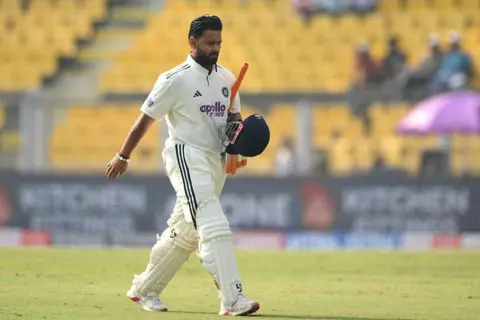
The Indian cricket team's surprising 0-2 loss to the Proteas in the recent Test series has left the team reeling.
Earlier this week, South Africa handed India their heaviest loss in Test cricket, against all odds. It marked South Africa's maiden series victory in India in 25 years and India's second home series loss in just one year after a 12-year unbeaten run.
The momentum gained during the last several months has all but vanished and the prospects of a number of cricketers - along with team coach the coach - now hang in the balance.
Early Optimism Vanishes
The young team's commendable display in England this summer, under a new captain, indicated a successful handover after the almost concurrent retirements of veterans Ashwin, Rohit Sharma, and Kohli.
A facile 2-0 victory over West Indies at the start of the home season boosted that belief, before the Proteas turned up and handed out a fell blow.
India were somewhat unlucky that skipper Shubman Gill suffered an injury quickly in the opening Test and took no further part in the series. But that neither explains nor absolves the side of the highly disappointing showing in the two games against South Africa.
A number of star cricketers took a hit, and a few members aspiring to long red-ball careers were revealed to be still inadequate - in ability or temperament - for the format.
A Troubling Pattern
It was the second whitewash on home soil experienced by the Indian team in just a year. Last year, little-fancied the Kiwis had achieved a remarkable 3-0 victory which effectively cost India a place in the WTC final.
The fresh failure to South Africa risks harming the team's prospects of making the final of this cycle too.
From number three in the WTC table ahead of the matches, the side have fallen to fifth place. Though nine further games are still to come, half of these are against the Aussies. Usually, competing on home turf would be a significant benefit - including against the strong Australian side. However the failures against New Zealand and South Africa leave little scope for that confidence.
Causes of the Fall
India's vulnerability in red-ball cricket has been badly exposed. Nevertheless, why India have struggled so much in Test matches at home in recent times is still bewildering.
In the 21st century, the Indian cricket team were considered invincible in red-ball cricket at home. In hot, humid conditions and on surfaces that assisted spinners and suited their batsmen and bowlers, the hosts dominated all comers. The odd series defeat, like in 2012-13 against England, was viewed as an aberration.
Today, the team seem vulnerable in their own backyard.
Facing New Zealand in last year and the Proteas this year, the home side were beaten at their own game. The tracks they curated to suit their strengths went wrong completely, as opponents exploited them better, beating India's batsmen and bowlers when it mattered most.
What Happened?
Some suggest that India is floundering in home conditions because domestic pitches have been changed from spinning tracks to fast tracks to get cricketers ready to succeed in foreign conditions.
Others highlight that the Indian Premier League (IPL), in which numerous foreign cricketers take part, has reduced the unfamiliarity and challenge subcontinental pitches would pose to them before.
Even though there is validity in both analyses, it fails to account for the reason the side's results on home soil have witnessed such a dramatic drop.

Multiple Failings
The majority of ex-cricketers point to a complicated issue, not just a couple of reasons.
Experts and participants have identified multiple deficiencies following the team's humiliating loss to the South Africans: underestimating the opposition, poor preparation, poor choices, excessive self-belief, constant chopping and changing of the starting eleven, and prioritising limited-overs over red-ball cricket.
This was clear in the performances of the team.
Members such as Rishabh Pant and Jaiswal, of whom great things were anticipated, were punished for their carelessness, while Sai Sudarshan, Reddy, and Jurel - who were aiming to establish their spot in the side - were found wanting in technique and temperament, paying a heavy price for their casual attitude.
A small number - Ravindra Jadeja, Bumrah, Kuldeep, Mohammed Siraj and Sundar - did justice to their ability and standing - but not well enough to win matches.
Leadership Under Fire
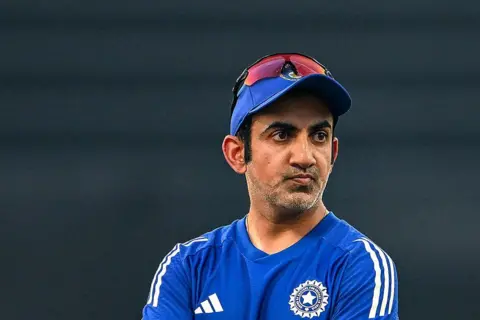
The post-mortem also included just the players - the selection panel and backroom team were also under fire, driven by disappointed supporters and critical former players. At the centre of the scrutiny was mentor Gautam Gambhir.
At his post-series press

